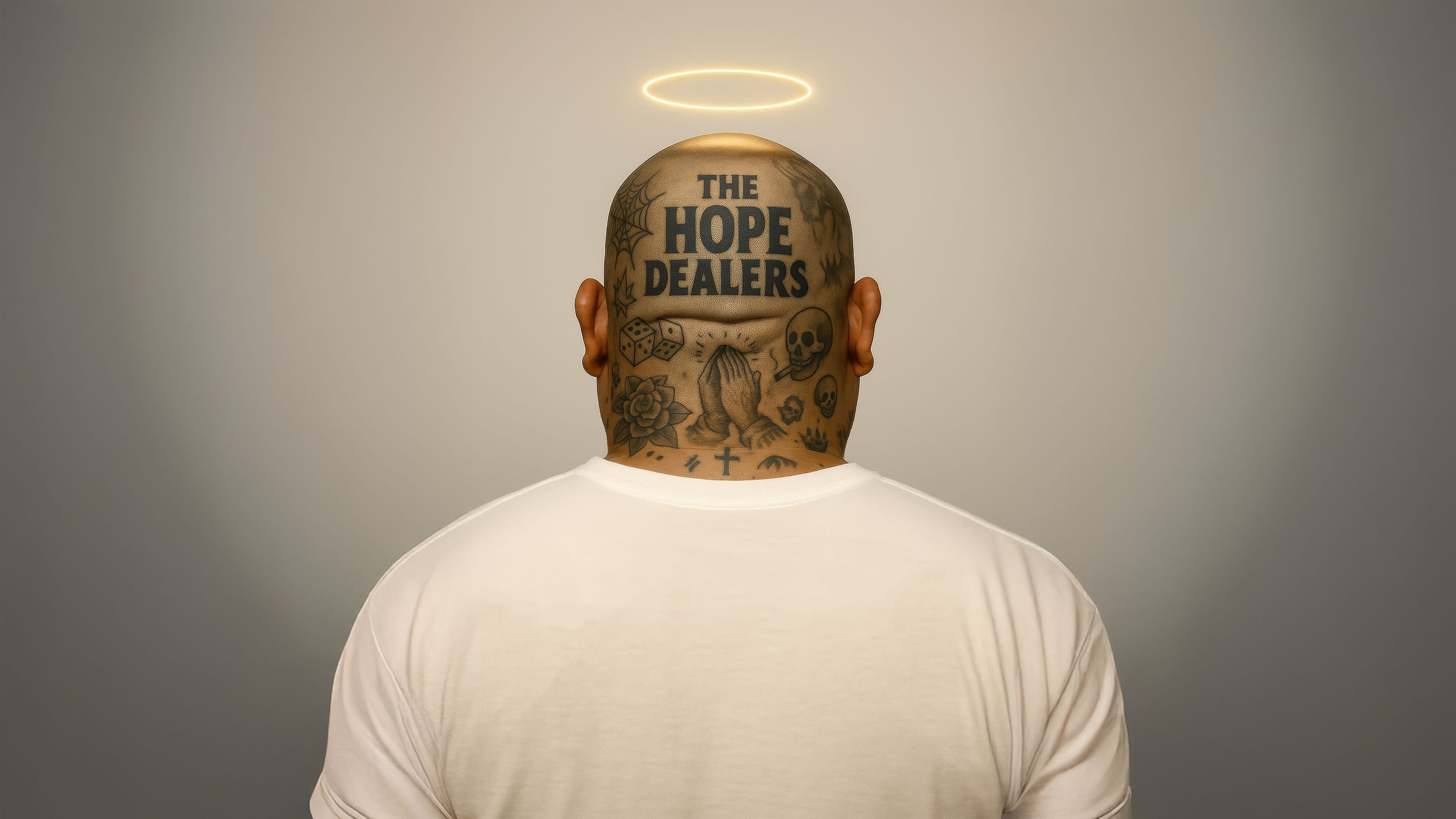
The Hope Dealers - Our story
How a Grassroots Movement Sparked a
Regional Shift Toward Recovery
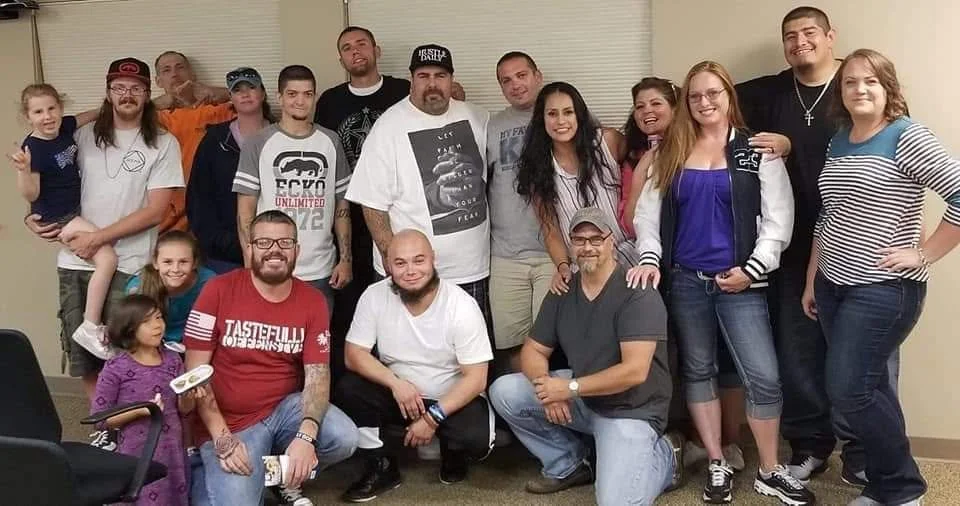
Before it was a documentary, The Hope Dealers began as a room full of people who knew what it meant
to stand at the edge of the abyss—and survive it.
They wore black shirts that read, “Make Recovery the Epidemic.” Seventeen men and women from
different generations, cultures, and backgrounds shared one common bond: lived experience with
addiction and a determination to change what recovery looked like in North Central Washington.
“Not everyone knows how to ask for help, so we are extending our hands for help,” said Karen, whose
quiet confidence reflected the resilience of someone who had faced adversity and come through it.
Karen was part of the first cohort of Recovery Coaches to complete the Recovery Coach Academy offered
through Thriving Together NCW, an organization dedicated to improving health and well-being initiatives
across its four county region. What began as a training quickly revealed itself to be something larger.
“We’re trying to make recovery the epidemic. We’re not trying—we’re doing it,” said Victor, a chapter
leader of the Central Washington Recovery Coalition and fellow Academy participant. This was more
than symbolism. It was a strategic response to a widening gap in the recovery system.
the gap no one was talking about
In 2018, the National Survey on Drug Use and Health estimated that 21.2 million Americans needed
substance use treatment. Only 3.7 million received it.
While medication-assisted treatment, detox services, and inpatient and outpatient programs remain
essential components of recovery, they do not address the full journey. Recovery is long-term, and many
individuals struggle most in the spaces between formal treatment—after discharge, during relapse risk,
or when navigating housing, employment, and mental health care.
Peer recovery support began emerging as a critical complement to traditional services. According to the
Center for Addiction Recovery Training, individuals receiving peer support may experience reduced
relapse rates, fewer emergency service encounters, decreased criminal justice involvement, and
improved engagement in long-term care. Research from the Vermont Recovery Network further
indicates that recovery coaching increases connection to primary care, housing resources, and mental
health services, lowering both individual and community costs.
Recovery coaching works because it is grounded in lived experience.
“My lived experience has created a foundation in which I can stand to assist others on their pathways to
recovery,” said Nokey.
“Recovery Coach Academy is providing me a path to helping people heal,” added Yvonne.
These were not professionals entering the field from the outside. They were people who had navigated
addiction themselves and were choosing to walk alongside others.
from training to regional capacity
The Recovery Coach Academy, led by instructor Jim Leingang of Harmony Recovery Support Services, was
one strategy within Thriving Together NCW’s broader opioid response efforts. Its impact, however,
extended beyond individual certification.
Recovery coaches are peers in long-term recovery who combine lived experience with formal training
and supervision to support others in initiating and sustaining recovery. They help individuals set goals,
navigate complex systems, build accountability, and reconnect with community.
Importantly, the Academy included a training-of-trainers component, enabling graduates to certify future
coaches. Capacity would not remain centralized. It would grow outward through community
relationships.
As coaches began serving in hospitals, courts, housing programs, and grassroots settings, recovery
support became more visible and more accessible. Silence began to give way to conversation, and stigma
began to soften in the presence of real stories and consistent support.
a leap of faith
As momentum built, Thriving Together NCW made a decision that would significantly expand the
movement’s reach.
Under the leadership of former Senator Linda Evans Parlette, then serving as Executive Director, the
organization created a new position specifically intended to design innovative, “out of the box” recovery
initiatives. Rather than hiring a traditional candidate with advanced degrees and clinical credentials, they
chose to invest in lived experience.
They offered the position to Joseph "Joey" Hunter.
Joey was a founding member of the Central Washington Recovery Coalition. When he stepped into the
role, he did not have a high school diploma. A few years earlier, he had been homeless on the streets of
Moses Lake and deeply entangled in addiction. From a conventional standpoint, he was an unlikely
choice to design regional programming.
He was hesitant to accept. Why would an established organization entrust such responsibility to
someone with his history?
Thriving Together NCW saw leadership where others might have seen liability. They recognized his
credibility within the recovery community and his deep understanding of the barriers people faced. Their
belief in him became a catalyst.
Joey began building programs centered on dignity, accessibility, and peer leadership—many of which are
featured in The Hope Dealers. He recruited trusted peers from the coalition, expanding opportunities for
others in recovery to step into paid, meaningful roles of service.
The decision to center lived experience at a leadership level signaled a broader cultural shift. Recovery
was no longer simply being supported; it was helping shape the system itself.
Why this story matters
The Hope Dealers documents this evolution—from grassroots activation to institutional trust.
The programs featured in the film did not originate in formal boardrooms, but they eventually earned a
place within them. They grew through collaboration between community advocates and regional health
leadership, demonstrating that lived experience can inform not only support services, but strategy.
This story reflects more than program development. It reflects a change in how a region understands
leadership, expertise, and recovery itself.
from movement to film
As recovery coaches stepped into public spaces across North Central Washington, the transformation
became visible. People who once struggled in isolation were now leading conversations, guiding others
through treatment systems, and designing initiatives that expanded access to care. The story was no
longer confined to meetings and training rooms. It was unfolding across the community.
The Hope Dealers emerged from that realization. The film captures a cultural shift—from stigma toward
dignity, from crisis response toward community-led recovery, and from exclusion toward trust in lived
experience.
At its core, the documentary invites a broader question: What becomes possible when recovery
leadership is embraced rather than marginalized?
The movement to #MakeRecoveryTheEpidemic is already underway.
The film invites others to consider how it might continue.